
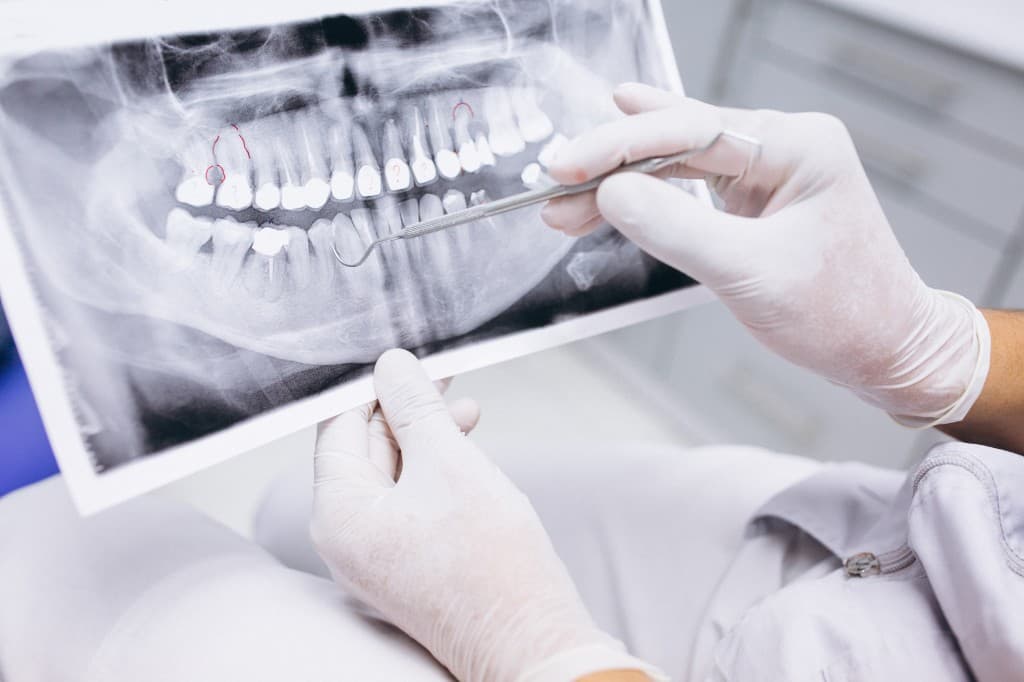
Planning dental treatment abroad requires a structured and informed approach. Whether you are considering a single procedure or comprehensive dental rehabilitation, careful preparation ensures the best possible outcome and minimises potential complications.
Key Planning Steps
The following steps outline a recommended approach to organising dental treatment outside your home country:
1. Sharing Recent X-Rays and Medical History
The first step is to provide your chosen clinic with comprehensive diagnostic information. This typically includes a recent panoramic X-ray (OPG), ideally taken within the last 6 months, a complete medical history including current medications and known allergies, photographs of your teeth from multiple angles, and a description of your concerns and treatment goals.
Most reputable clinics accept this information digitally via email or secure messaging platforms, allowing for an initial assessment without requiring travel.
2. Receiving a Preliminary Treatment Outline
Based on your diagnostic records, the clinic should provide a preliminary treatment outline that includes recommended procedures, estimated treatment duration and number of visits, materials to be used with specific brands identified, a detailed cost breakdown, and any alternative treatment options with their respective advantages.
This preliminary plan serves as a starting point. The final treatment plan may be adjusted following the in-person clinical examination.
3. Organising Travel and Accommodation
Once you decide to proceed, practical arrangements need to be made. Key considerations include flight bookings to the nearest airport, accommodation for the duration of treatment, local transportation between accommodation and the clinic, and travel insurance that covers medical treatment abroad.
Many dental tourism clinics offer assistance with these arrangements or include accommodation and transfers as part of their treatment packages.
4. In-Person Clinical Examination and Final Treatment Confirmation
Upon arrival, a thorough in-person examination is essential before any treatment begins. This may include additional diagnostic imaging, a detailed oral examination, confirmation or adjustment of the preliminary treatment plan, discussion of any changes with the patient, and obtaining informed consent.
No treatment should commence until the patient fully understands and agrees to the proposed plan.
5. Post-Treatment Care and Follow-Up Planning
Before leaving the clinic, patients should receive written aftercare instructions specific to their procedures, all relevant dental records and imaging, a clear schedule for any follow-up appointments, emergency contact information for the clinic, and documentation of all work performed including materials used and warranty terms.
Additional Considerations
Patients considering dental treatment in Poland should also review patient rights applicable in their destination country, documentation standards and what records they are entitled to receive, regulatory requirements for dental clinics in the destination country, and the process for filing complaints or seeking resolution if issues arise.
A well-planned dental treatment journey, supported by clear communication and thorough documentation, significantly increases the likelihood of a successful outcome.