
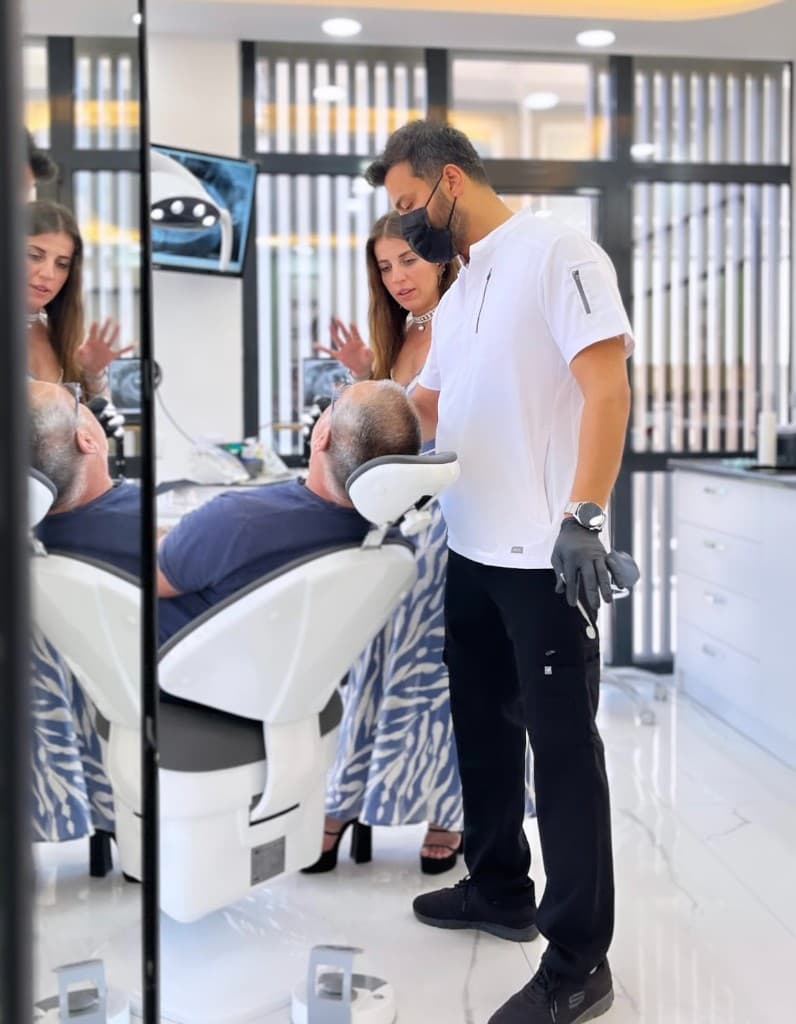
Dental tourism refers to receiving dental care outside one’s country of residence. Within the European Union, cross-border healthcare is regulated under specific legal frameworks designed to protect patients while enabling access to treatment across member states and beyond.
Important Considerations Before Receiving Dental Treatment Abroad
Patients considering dental treatment in Poland or elsewhere should carefully evaluate several important factors before making a decision. The quality and safety of dental care depend on multiple criteria that patients should verify independently.
Professional Licensing and Registration
Always verify that the dentist treating you holds a valid professional license and is officially registered with the relevant national dental authority. In Turkey, dentists must be registered with the Turkish Dental Association and hold a valid Ministry of Health authorization. Ask for credentials and do not hesitate to verify them independently.
Compliance with National Healthcare Regulations
Reputable dental clinics operate in full compliance with the healthcare regulations of their country. This includes proper clinic licensing, adherence to medical waste disposal regulations, patient data protection, and professional liability insurance. A clinic that is transparent about its regulatory status is a positive indicator.
Infection Control and Sterilisation Standards
Infection control is a critical aspect of dental safety. Look for clinics that follow internationally recognised sterilisation protocols, including the use of Class B autoclaves, single-use disposable items, and documented sterilisation cycles. The clinic should be willing to explain its infection control procedures upon request.
A Detailed Written Treatment Plan
Before any treatment begins, you should receive a comprehensive written treatment plan that includes a clear description of all proposed procedures, the materials and brands to be used, a complete cost breakdown with no hidden fees, the expected timeline and number of visits, and warranty or guarantee terms for the work performed.
Post-Treatment Follow-Up Procedures
Reliable clinics provide clear post-treatment follow-up protocols. This includes written aftercare instructions, a direct communication channel for post-treatment questions, and a defined process for handling any complications that may arise after you return home.
Transparent communication and proper documentation are essential in cross-border dental care. A well-organised clinic will proactively provide all the information you need to make an informed decision about your treatment.