
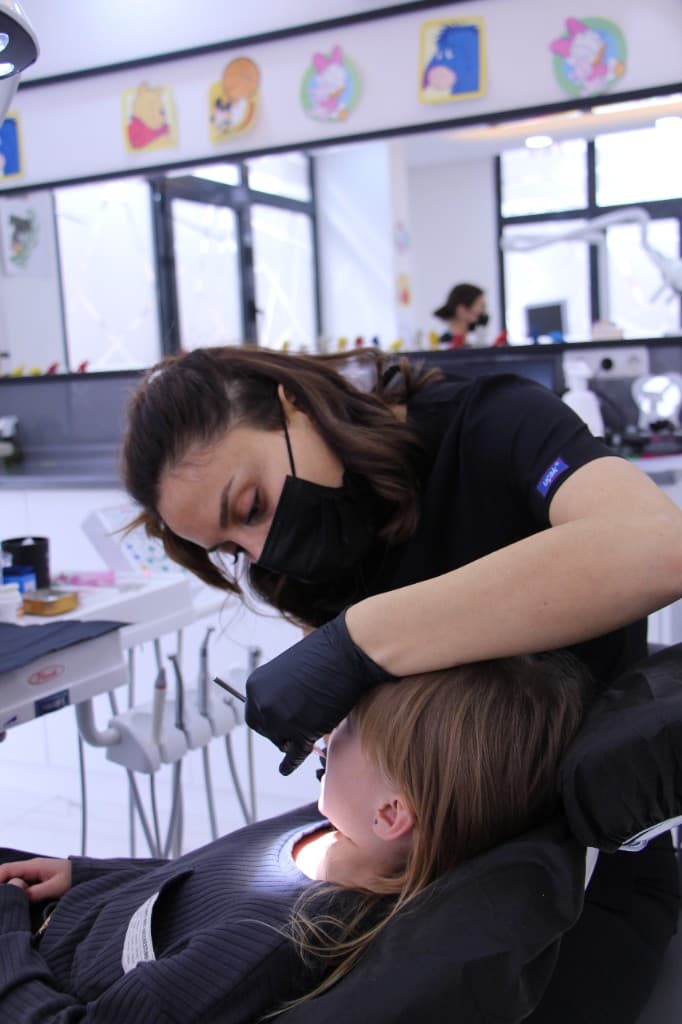
Long-term oral health depends on consistent preventive care and regular professional check-ups. This is particularly important after implant treatment or aesthetic dental procedures, where proper maintenance directly impacts the longevity and success of the treatment.
Why Preventive Care Matters
Prevention is always more effective and less costly than treatment. Regular dental care helps detect potential problems early — before they develop into conditions requiring complex and expensive interventions. Gum disease, tooth decay, and bone loss are largely preventable with proper oral hygiene and routine professional care.
For patients who have undergone dental implant treatment, preventive care is especially critical. Peri-implantitis — inflammation around dental implants — can lead to implant failure if not detected and managed early. Regular professional cleaning and monitoring are essential to maintain implant health.
Daily Oral Care Recommendations
The following daily practices form the foundation of good oral health:
- Brushing twice daily with fluoride toothpaste: Use a soft-bristled toothbrush and brush for at least two minutes, covering all tooth surfaces. Electric toothbrushes with pressure sensors can help ensure effective yet gentle cleaning.
- Using dental floss or interdental brushes: Cleaning between teeth removes plaque and food debris from areas that a toothbrush cannot reach. This is particularly important around implants, crowns, and bridges where bacteria can accumulate.
- Limiting frequent sugar consumption: Sugar feeds the bacteria that cause tooth decay. Reducing the frequency of sugar intake — not just the quantity — is key to preventing cavities. Pay attention to hidden sugars in drinks, snacks, and processed foods.
- Attending routine dental examinations: Professional check-ups every 6 months allow your dentist to detect early signs of decay, gum disease, or other conditions. Regular professional cleaning removes tartar build-up that cannot be addressed by home care alone.
After Aesthetic or Implant Treatment
If you have recently received veneers, crowns, or implants, your daily care routine should be adapted to protect your investment:
- Use a non-abrasive toothpaste to avoid scratching porcelain surfaces
- Avoid biting very hard foods directly with veneers or crowns
- If you grind your teeth at night, discuss a protective night guard with your dentist
- Attend professional cleanings every 4–6 months rather than the standard 6–12 months
- Report any changes in how your bite feels or any discomfort promptly
The Connection Between Oral Health and Overall Health
Oral health is closely connected to overall health and requires ongoing maintenance and monitoring. Research has established links between poor oral health and several systemic conditions, including cardiovascular disease, diabetes complications, respiratory infections, and adverse pregnancy outcomes.
Maintaining good oral hygiene is not just about preserving your smile — it is an important component of your overall health and wellbeing. Invest in prevention today, and your teeth and body will thank you for years to come.